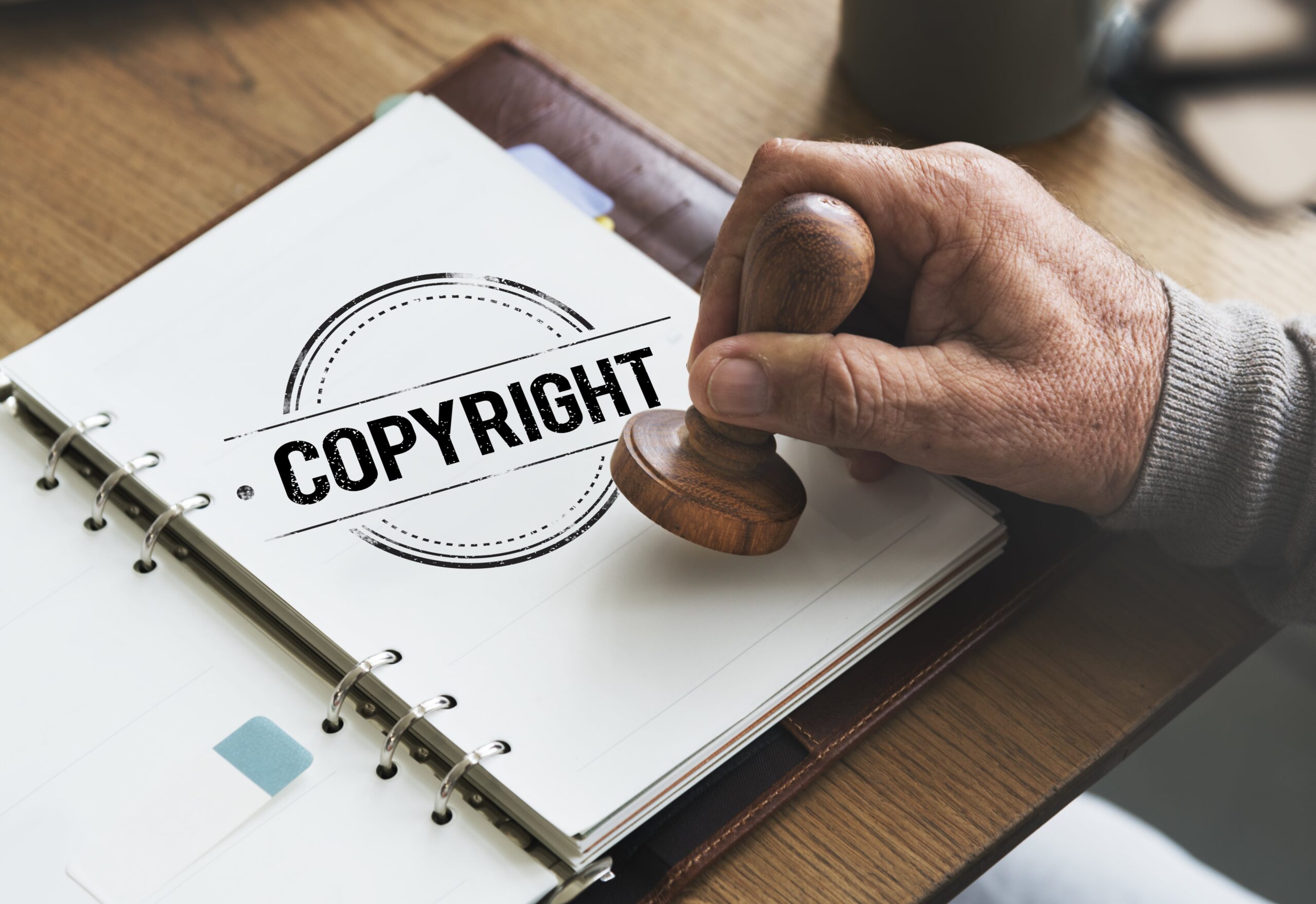
Copyright protects your words, photographs, artwork, designs, software and other creative work automatically. In the UK there is nothing to register, which is exactly why problems arise: ownership is often unclear until there is a dispute, and many businesses only discover that they do not own work they paid for when they try to use it, license it or sell the business.
We advise and negotiate, but we do not conduct litigation. If a dispute needs to go to court, we will help you find a suitable solicitor or barrister, or support you in bringing a smaller claim yourself in the small claims track of the Intellectual Property Enterprise Court, which deals with claims worth up to £10,000.
Copyright work is charged at our hourly rate of £300 per hour including VAT at 20% (business clients: £250 per hour + VAT at 20%), recorded in 6-minute units. We will give you an estimate in writing before we start, and the initial consultation is free.
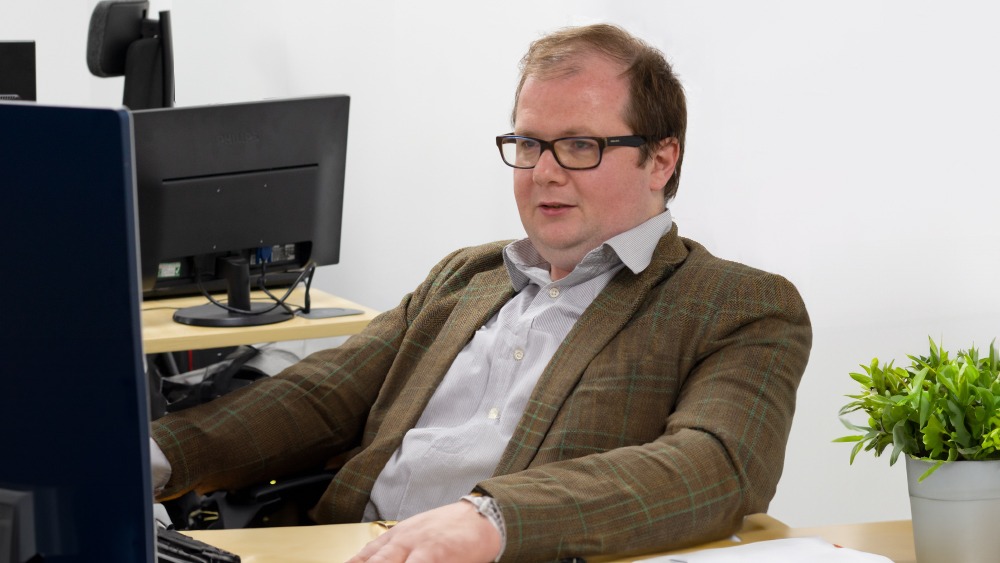
Christopher Robertson has spent his career in intellectual property, first as a patent examiner at the UK Intellectual Property Office and now advising businesses and creators on every kind of IP. He holds a Postgraduate Diploma in Intellectual Property Law, and he handles your matter personally from start to finish.